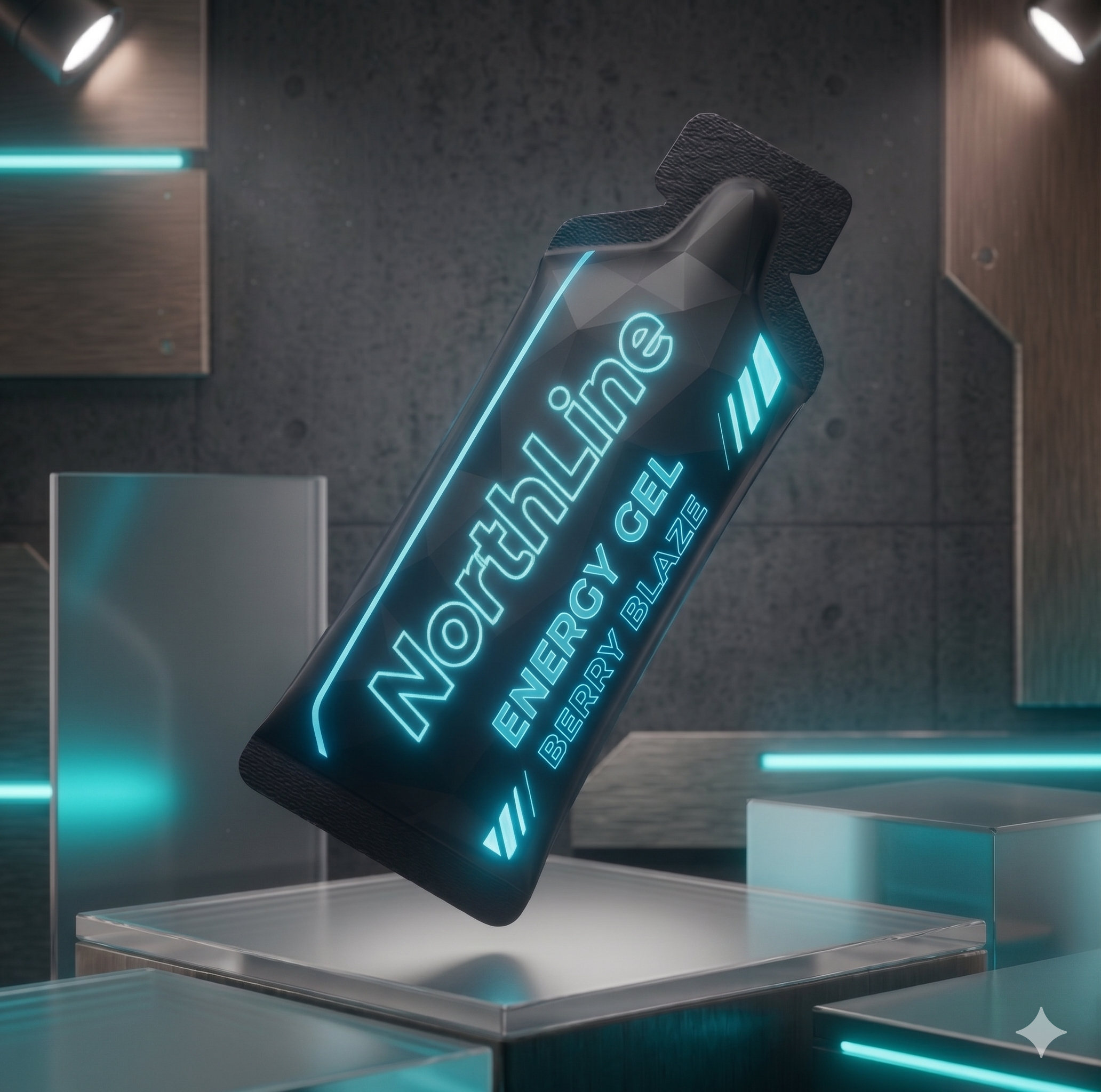
The marathon wall — that sudden, catastrophic decline in pace and cognitive function between miles 18 and 22 — is not a mystery. It is a predictable metabolic crisis triggered when muscle glycogen concentration drops below approximately 100–150 mmol/kg (from a starting value of 500–700 mmol/kg after proper carb loading). At marathon pace (typically 65–80% of VO2max), carbohydrate is the dominant fuel, burned at a rate of 3–4 g per minute or 180–240 g per hour. With roughly 400–500 g of glycogen stored in muscle and 80–100 g in the liver, total reserves last approximately 90–120 minutes at marathon intensity — placing glycogen depletion squarely between miles 18 and 22 for a 3:00–4:00 marathon finisher.
The wall is not inevitable. A 2023 study of 256 marathon finishers equipped with continuous glucose monitors found that runners who consumed 60+ g/hr of exogenous carbohydrate during the race had a dramatically different glycogen depletion curve: their pace decline over the final 10K was only 3.2%, compared to 11.8% for runners consuming under 40 g/hr. The runners who avoided the wall did not have more glycogen — they used less of it per mile by supplementing with external fuel and maintaining fat oxidation at pace. The gut training calculator shows where glucose hits its transporter ceiling and fructose has to take over.
Glycogen Storage and Depletion Mechanics
Understanding glycogen storage helps quantify the problem. After a standard carb loading protocol (8–12 g/kg for 2–3 days), a 70 kg runner stores approximately 2,000–2,500 kcal in muscle glycogen and 320–400 kcal in liver glycogen. At marathon pace, energy expenditure is roughly 70–100 kcal per mile (depending on body weight and efficiency), with 60–80% coming from carbohydrate at typical marathon intensities.
- Total carb fuel needed for 26.2 miles: 1,800–2,600 kcal (depending on pace and body weight)
- Total carb stored: 2,000–2,900 kcal (muscle + liver glycogen after loading)
- Deficit risk: Runners at the lower end of storage or higher end of usage face a 0–800 kcal shortfall — this is the wall
- The math: Even 200–300 kcal of glycogen sparing (50–75 g of carbohydrate) can be the difference between maintaining pace and a 2-minute/mile slowdown over the final 10K
Exogenous Carbohydrate: The Primary Sparing Tool
Consuming carbohydrate during the marathon directly reduces the rate at which muscle glycogen is burned. When you ingest a gel containing 25–30 g of carbohydrate, the glucose enters the bloodstream within 15–20 minutes and is used by working muscles, displacing glycogen as fuel. Research consistently shows that exogenous carbohydrate reduces muscle glycogen utilization by 30–40% when consumed at adequate rates.
- Minimum effective dose: 30–40 g/hr. This provides measurable glycogen sparing but leaves a significant shortfall for most runners.
- Optimal target: 60–90 g/hr using a 2:1 glucose-to-fructose ratio (this exploits two different intestinal transporters, SGLT1 and GLUT5, doubling absorption capacity).
- Practical delivery: 2–3 gels per hour (each containing 20–30 g of carbs), alternating with sips of sports drink. Start from mile 3 — not mile 10. Late fueling cannot recover glycogen already burned.
- Gut training: Practise race-rate carbohydrate intake during long runs for 4–6 weeks before the marathon. The gut adapts by upregulating SGLT1 transporters, increasing absorption capacity by 30–50%.
Fat Oxidation Training: The Background Sparing Mechanism
At marathon pace, a runner with poor fat oxidation relies on carbohydrate for 75–85% of energy. A runner with well-trained fat oxidation can derive 30–40% of energy from fat at the same relative intensity — sparing 15–25 g of glycogen per hour or 45–75 g over a 3-hour marathon. This is the equivalent of 2–3 extra gels worth of glycogen preserved, pushing the wall well past mile 22.
Fat oxidation is trained primarily through Zone 2 volume: long easy runs, extended Z2 sessions, and occasionally fasted morning runs of 60–90 minutes (which force greater reliance on fat pathways). Key benchmarks: a well-trained marathon runner should oxidise 0.5–0.8 g of fat per minute at Z2 intensity and 0.3–0.5 g/min at marathon pace. These rates are measured via metabolic cart testing (RER analysis) and improve by 15–25% over 8–12 weeks of dedicated Z2 training.
Pacing Discipline: The Underrated Sparing Strategy
Starting a marathon 5–10 seconds per mile faster than goal pace increases glycogen burn rate disproportionately. At 75% VO2max, roughly 70% of energy comes from carbohydrate. At 85% VO2max (just 10% higher), carbohydrate contribution jumps to 85% — a 21% increase in glycogen burn rate for a modest pace increase. This is why positive splits (running the first half faster than the second) strongly predict wall encounters: the extra speed in miles 1–13 accelerates glycogen depletion precisely when it matters most.
- Target: Even splits or 1–2% negative split (second half slightly faster than first half)
- First 5K: Run 5–10 seconds per km slower than goal pace. Adrenaline and fresh legs create perceived effort distortion.
- Miles 5–13: Settle into goal pace. Do not bank time — there is no glycogen bank that accepts deposits.
- Miles 14–20: This is where pacing discipline pays off. Runners who went out too fast are decelerating; you are holding steady.
- Miles 20–26.2: With glycogen spared from conservative early pacing and consistent fueling, you have the reserves to hold pace or even accelerate.
48-Hour Pre-Race to In-Race Fueling Timeline
Glycogen sparing starts 48 hours before the gun, not at the first aid station:
- 48–24 hours pre-race: 8–10 g/kg/day carbohydrate. For a 70 kg runner: 560–700 g carbs. Low-fibre, easily digestible sources. Target: full muscle and liver glycogen saturation.
- Race morning (3–4 hrs before): 1–3 g/kg carbohydrate. Example: 100–210 g carbs from toast, honey, banana, and juice. Tops off liver glycogen depleted overnight.
- Miles 1–5: Begin fueling. 1 gel (25 g carbs) + 150 ml sports drink at miles 3 and 5.
- Miles 6–20: 1 gel every 20 minutes + sips of sports drink at every aid station. Target: 60–80 g/hr carbs, 300–500 mg sodium/hr.
- Miles 20–26.2: Continue gels every 20 minutes. Add caffeine gel (50–100 mg) at mile 20 for a 3–5% performance boost in the final 10K.
For a personalised race-day nutrition plan based on your pace, body weight, and sweat rate, use the NorthLine Race Day Nutrition Planner and review our gel calculation guide to determine exactly how many gels to carry.