Fueling a 100-mile ultramarathon is as much a strategic challenge as a physical one. The energy cost of running 100 miles ranges from 8,000 to 12,000 calories depending on pace, terrain, and body weight — yet the human gut can absorb only 200-400 calories per hour during sustained exercise. This means you will finish the race in a significant energy deficit regardless of how well you fuel. The goal is not to replace every calorie burned but to deliver enough carbohydrate, sodium, and fluid to delay the inevitable decline and keep you moving forward through the final 40 miles where most DNFs occur.
The critical challenge in 100-mile fueling is that your gut does not behave the same at mile 80 as it does at mile 10. Gastric emptying slows by 30-50% as exercise duration extends beyond 8-10 hours, blood flow diverts away from the GI tract toward working muscles and skin (for thermoregulation), and palatability shifts dramatically — foods that tasted appealing at the start become nauseating in the final third. A fueling plan that does not account for these stage-specific changes will fail. Here is the plan that does.
Stage 1: Miles 0-30 — Building the Reserve
The first 30 miles is where disciplined fueling pays the largest dividends. You feel strong, your gut is functioning optimally, and absorption rates are at their highest. The mistake most ultra-runners make is under-eating in this phase because they feel fine — banking calories early is the single most impactful fueling decision you will make:
- Calorie target: 300-400 calories per hour. This is the upper end of the range and is achievable because GI function is unimpaired
- Carbohydrate target: 60-90g per hour from a mix of simple sugars (gels, drinks) and real food (rice balls, boiled potatoes, PB&J sandwiches). Use dual-transporter products (glucose + fructose) to maximise absorption
- Sodium: 500-700mg per hour from electrolyte drinks and salt capsules. Start sodium supplementation from the first hour — do not wait for cramps
- Fluid: 500-800ml per hour, adjusted for temperature and humidity. Use the clear-urine-at-aid-stations test — if you have not urinated in 3 hours, increase fluid intake
- Food choices: Gels and sports drinks for the first 15 miles, then begin introducing real food — rice cakes with honey, bananas, salted pretzels. Training the gut to process solid food early extends your palatable options later
A 70kg runner covering miles 0-30 at 12 min/mile pace will spend approximately 6 hours in this stage and should consume 1,800-2,400 calories — building a substrate reserve that sustains performance through the middle miles.
Stage 2: Miles 30-60 — Maintaining the Machine
Miles 30-60 represent the maintenance phase. Glycogen stores are depleted, fat oxidation is the dominant fuel source, and the primary role of fueling shifts from energy storage to blood glucose maintenance. The gut is beginning to slow, and the first signs of palatability shifts may appear:
- Calorie target: 250-350 calories per hour. Reduce from stage 1 to account for declining gastric emptying rate
- Carbohydrate target: 50-70g per hour. Maintaining this intake keeps blood glucose above the 4.0 mmol/L threshold below which cognitive function deteriorates — critical for navigation and decision-making in the later stages
- Sodium: 600-800mg per hour. Increase sodium as cumulative losses mount. By mile 60, a moderate-rate sweater has lost 8,000-15,000mg of sodium — far more than any pre-race loading can cover
- Food choices: This is where flexibility matters. Begin rotating between gels, real food, and liquid calories (broth, cola, meal replacement drinks). If solid food becomes unappealing, switch to liquid calories — a cup of cola delivers 35g of sugar, and a cup of ramen broth provides 800-1,000mg of sodium plus psychological warmth during night sections
The mid-race GI warning signs to watch: bloating, sloshing stomach, nausea, or early-stage diarrhoea. If any appear, reduce intake to liquid calories only (gels diluted in water, broth, flat cola) for 30-60 minutes until symptoms resolve. Do not stop eating entirely — even 100 calories per hour prevents the downward spiral of hypoglycemia that ends races.
Stage 3: Miles 60-100 — Survival Fueling
The final 40 miles is where most 100-mile races are won or lost nutritionally. GI function is significantly impaired — gastric emptying may be 40-50% slower than at the start, nausea is common, and food aversion can become severe. The strategy shifts from optimal fueling to minimum viable fueling — consuming enough to prevent a complete metabolic shutdown:
- Calorie target: 200-300 calories per hour. Anything you can tolerate counts. A runner who maintains 200 cal/hr through miles 60-100 will finish; a runner who drops to zero for 2-3 hours often DNFs
- Carbohydrate target: 40-60g per hour. Accept that this is below optimal — the goal is preventing hypoglycemia (blood glucose below 3.5 mmol/L, which causes confusion, stumbling, and race-ending cognitive impairment)
- Sodium: 700-1,000mg per hour. Sodium needs increase in the final stage because cumulative depletion amplifies and because slower pace in heat may paradoxically increase sweat rate relative to distance covered
- Food choices: This is where race-day flexibility is critical. Common palatable options in the final 40 miles: flat cola (35g sugar/cup), chicken broth with saltine crackers (sodium + small carbs), watermelon (hydration + sugar + palatability), boiled potatoes with salt (50g carbs per potato), gummy bears (easy to chew, high sugar), and gels taken with significant water dilution. Some runners find that cold foods (ice pops, chilled fruit) are easier to tolerate than warm foods at this stage
If nausea becomes severe, take 10mg of metoclopramide or 4mg of ondansetron if available at medical stations (discuss with your doctor pre-race). Ginger chews and peppermint oil capsules are non-pharmaceutical options that reduce nausea severity by 20-40% in studies. Walking for 5-10 minutes while sipping ginger ale often resolves mild nausea.
The Palatability Shift: Why You Stop Wanting Gels
After 12-16 hours of continuous exercise, most runners experience a dramatic shift in food preferences. Sweet foods that worked perfectly for the first 8 hours become revolting, while savoury, salty, and umami-flavoured foods become intensely appealing. This is not weakness or poor mental discipline — it is a well-documented physiological phenomenon:
- Sensory-specific satiety: The brain's reward response to a specific flavour diminishes with repeated exposure. After consuming 15-20 gels, the sweet flavour triggers aversion rather than appetite
- Sodium craving: As total body sodium declines through sweat losses, the brain generates specific salt cravings to drive sodium-seeking behaviour. This is why ramen broth, soy sauce on rice, and salted potatoes taste extraordinary at mile 70
- Blood glucose fluctuation: Repeated glucose spikes and crashes across 15+ hours alter insulin sensitivity and hunger signalling, making concentrated sweet foods harder to tolerate
Plan for this shift by packing both sweet and savoury options in every drop bag. A good rule: 60% sweet calories for miles 0-50, 60% savoury calories for miles 50-100. Having options prevents the catastrophic scenario where you cannot eat anything because all available food is the wrong flavour profile.
GI Distress Prevention: Protecting Your Gut
GI distress affects 30-50% of 100-mile runners and is the single most common cause of DNF after musculoskeletal injury. Prevention starts weeks before race day:
- Gut training: Practise race-day fueling during every long run over 3 hours for the 8-10 weeks before the race. The gut adapts to processing fuel during exercise — this is a trainable skill that can increase carbohydrate absorption by 20-30%
- NSAID avoidance: Do not take ibuprofen or other NSAIDs during the race. NSAIDs increase intestinal permeability by up to 3x, dramatically raising the risk of GI bleeding, nausea, and diarrhoea. Paracetamol (acetaminophen) is a safer pain management option
- Fibre reduction: Reduce dietary fibre to under 15g per day for 48 hours before the race to minimise gut residue and reduce the likelihood of mid-race bowel urgency
- Caffeine management: Caffeine is ergogenic but also increases gut motility. Limit caffeine to 1-2 mg/kg body weight per dose and avoid caffeine on an empty stomach after mile 60
Race-Day Fueling Checklist
Preparation eliminates in-race decision fatigue. Before race day, prepare the following: a laminated card listing your hourly calorie, carb, sodium, and fluid targets taped to your pack; drop bags at every accessible aid station containing both sweet and savoury food options; a backup plan for nausea (ginger chews, broth powder, flat cola); and a watch alarm set every 30 minutes as a fueling reminder — the most common fueling failure is simply forgetting to eat during the cognitive fog of mile 70-90.
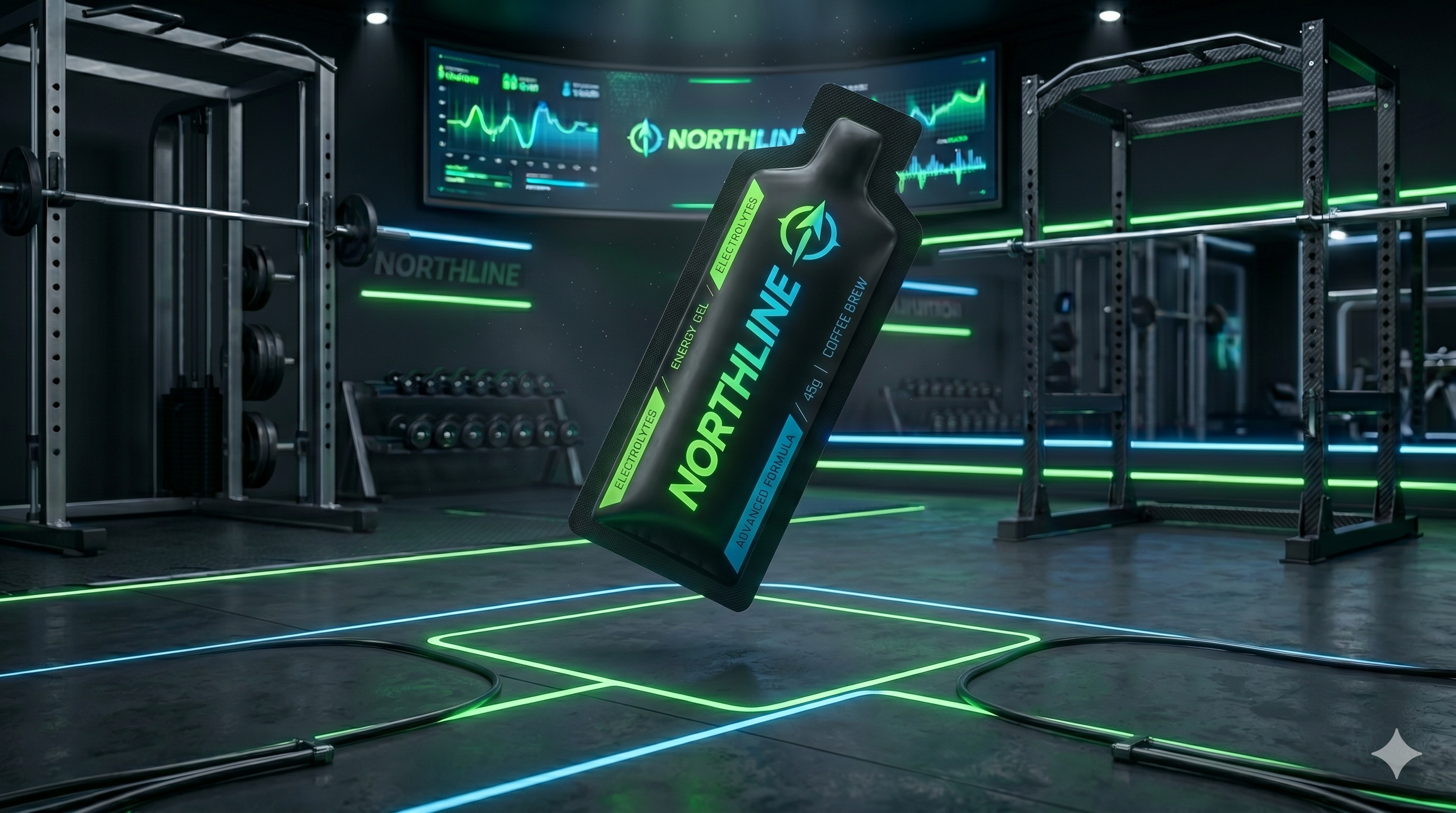
NorthLine energy gels are a reliable sweet-calorie option for miles 0-50, delivering 22g of dual-transporter carbohydrates per gel for rapid absorption without the concentrated sweetness that triggers nausea. Carry 3-4 gels in your vest and restock at drop bags. For the savoury-dominant final 50 miles, pair gels with broth and real food. Build your complete race-day nutrition plan — calories, carbs, sodium, and fluid hour-by-hour — using the Race Day Nutrition Planner, and rehearse it during your final two ultra-distance training runs to confirm that your gut and your plan are aligned.