Zone 2 — the conversational-pace intensity where fat is the dominant fuel source — has become the centrepiece of modern endurance training periodisation. But the nutrition strategy around zone 2 sessions is equally important and far less discussed. Should you train fasted to maximise fat burning? Should you eat beforehand to protect workout quality? The answer depends on the specific adaptation you are targeting, and getting it wrong can either blunt the metabolic signal or compromise the session entirely.
At zone 2 intensity (roughly 60-70% of max heart rate or 55-75% of FTP), fat oxidation contributes 60-80% of total energy expenditure. Peak fat oxidation rates in trained endurance athletes range from 0.5-1.0 g/min, with elite athletes reaching 1.2-1.5 g/min at their individual Fatmax intensity. The goal of zone 2 nutrition is to support the session while preserving — or enhancing — this fat-burning stimulus.
Fasted Zone 2: When It Works
Training in a glycogen-depleted or fasted state amplifies several molecular signals that drive aerobic adaptation. Research by Impey et al. (2018) demonstrated that exercising with low muscle glycogen availability increases AMPK activation by 40-50%, upregulates PGC-1α (the master regulator of mitochondrial biogenesis), and enhances expression of fat transport proteins (CD36, CPT-1) by 25-35% compared to training in a fully fueled state.
Fasted zone 2 is most effective under these conditions:
- Sessions of 60-90 minutes at true zone 2 intensity (no tempo surges, no hard efforts mixed in)
- Morning sessions after an overnight fast of 10-14 hours
- When the primary goal is metabolic efficiency, not performance output
- During base-building phases when volume is moderate and there is no high-intensity session within 12 hours
Fed Zone 2: When You Should Eat
Fasted training has diminishing returns and clear risks when applied indiscriminately. You should fuel zone 2 sessions when:
- Duration exceeds 90 minutes: Beyond 90 minutes in a fasted state, cortisol rises significantly and muscle protein breakdown accelerates. The catabolic cost outweighs the metabolic signaling benefit.
- You have a high-intensity session later that day: Starting an interval session with depleted glycogen stores compromises workout quality and adaptation.
- You are in a heavy training block: Cumulative energy deficit from repeated fasted sessions leads to overreaching, suppressed immune function, and hormonal disruption — particularly in female athletes where LEA thresholds are lower.
- You are recovering from illness or injury: Energy availability should be prioritised over metabolic signaling during recovery periods.
When eating before zone 2, keep carbohydrate intake modest: 0.5-1.0 g/kg consumed 60-90 minutes before the session. This provides enough glucose to protect muscle protein without fully suppressing fat oxidation. A small bowl of oats (40-60 g) with a banana is a practical option that raises blood glucose without flooding insulin to levels that shut down lipolysis.
Metabolic Efficiency Training: The Periodised Approach
Rather than choosing permanently between fasted and fed, the most effective approach is carbohydrate periodisation — strategically varying carbohydrate availability around different sessions within the same training week. This concept, pioneered by researchers like John Hawley and Louise Burke, operates on the principle of "fuel for the work required."
- Low-carb sessions: Zone 2 rides/runs performed fasted or with minimal carbohydrate (train low) — 2-3 times per week during base phase
- High-carb sessions: Interval sessions, tempo work, and race-pace efforts performed fully fueled (train high) — to protect intensity and quality
- Sleep-low / train-low: Restrict carbohydrates at the evening meal after a hard afternoon session, then perform the next morning's zone 2 session with reduced glycogen. This "sleep low, train low" protocol increased fat oxidation by 28% and improved 10 km running performance by 2.9% in a 2016 study by Marquet et al.
During-Session Fueling for Long Zone 2 Rides
For zone 2 sessions lasting 2-4 hours (common in cycling base training), some carbohydrate intake during the session is warranted to prevent excessive glycogen depletion and excessive cortisol response. The goal is to provide enough fuel to extend the session without negating the fat oxidation stimulus:
- 60-90 min sessions: No fueling required if pace stays in true zone 2
- 90-150 min sessions: 20-30 g/hr of carbohydrate — roughly one gel per hour or sipping on a dilute drink mix
- 150-240 min sessions: 30-50 g/hr — enough to sustain the session but well below the 90-120 g/hr targets used for race-intensity efforts
The key principle: zone 2 fueling should be intentionally below race-day carbohydrate intake. You are training the metabolic system, not maximising acute performance output.
Post-Session Nutrition to Support Adaptation
What you eat after a zone 2 session depends on whether you are in a "train low" phase or not. After a deliberately low-carb session, delaying carbohydrate intake by 1-2 hours extends the period of elevated AMPK signaling and fat transport enzyme expression. However, protein should not be delayed — consume 0.3 g/kg of protein within 30-60 minutes post-session to halt muscle protein breakdown and support mitochondrial protein synthesis.
After a standard fueled zone 2 session, resume normal eating patterns: a balanced meal with 1-1.5 g/kg carbohydrate and 0.3-0.4 g/kg protein within 2 hours is sufficient. There is no need for aggressive glycogen replenishment protocols (which are reserved for multi-session days or stage racing).
Practical Weekly Example
Here is how carb periodisation might look across a typical endurance training week:
- Monday: Rest day — moderate carbohydrate intake (4-5 g/kg)
- Tuesday AM: Fasted zone 2 (75 min) → protein shake immediately, delay carbs 1 hour
- Wednesday: Interval session — fully fueled, 7-8 g/kg carbs for the day
- Thursday AM: Zone 2 (120 min) with 25 g/hr on-bike carbs → normal post-session meal
- Friday: Easy day — moderate carbs, sleep-low protocol (low-carb dinner)
- Saturday AM: Long zone 2 (3 hrs) started with depleted glycogen, fueled at 30-40 g/hr during → full recovery nutrition post
- Sunday: Group ride with tempo efforts — fully fueled
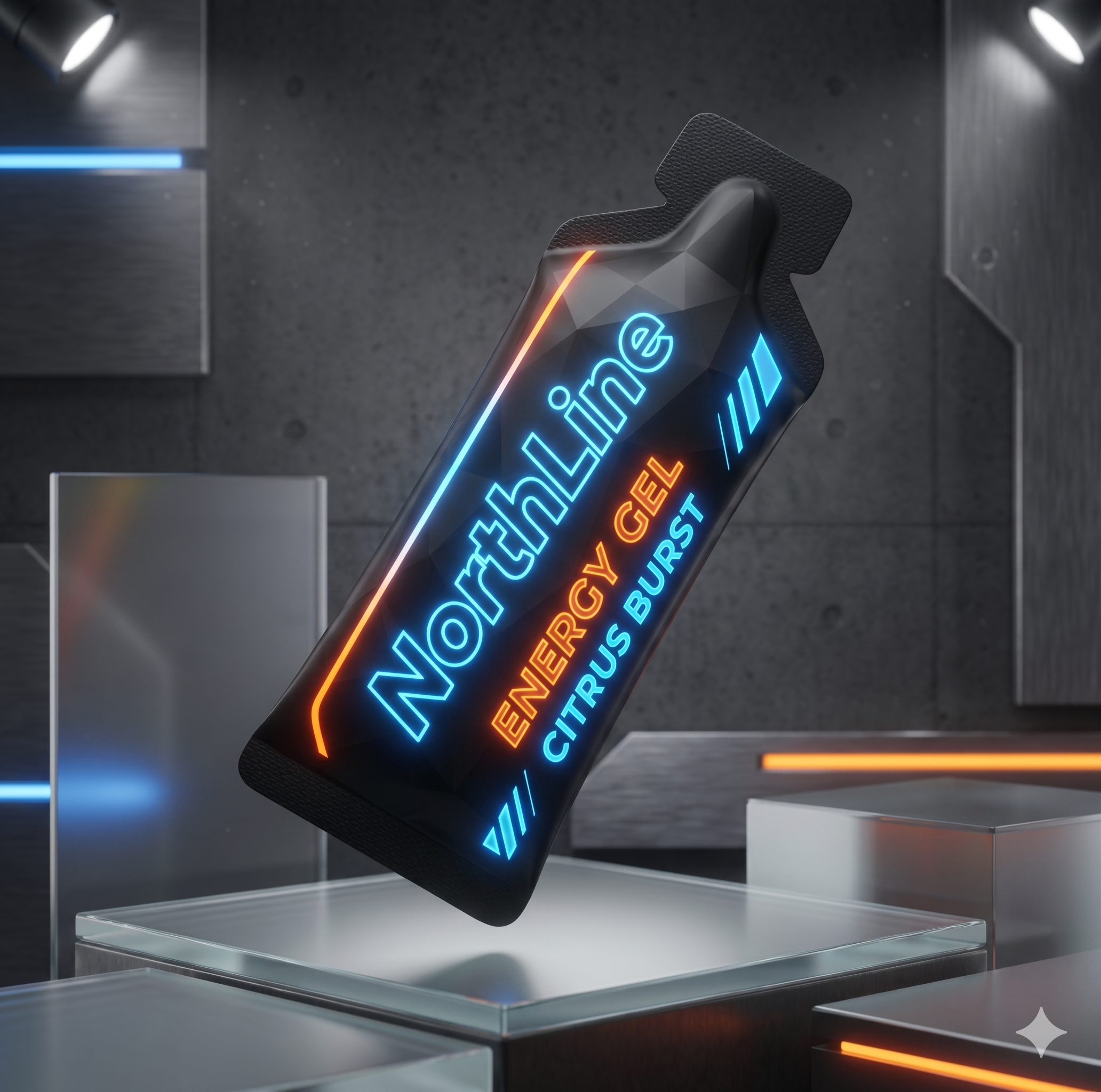
NorthLine energy gels are ideal for titrating carbohydrate intake during zone 2 sessions — each gel delivers precisely 22 g of carbohydrate, making it easy to hit the 20-30 g/hr target for moderate-duration sessions or adjust upward for longer rides. Use the Race Day Nutrition Planner to model both your low-fuel training sessions and your high-carb race-day protocol side by side.