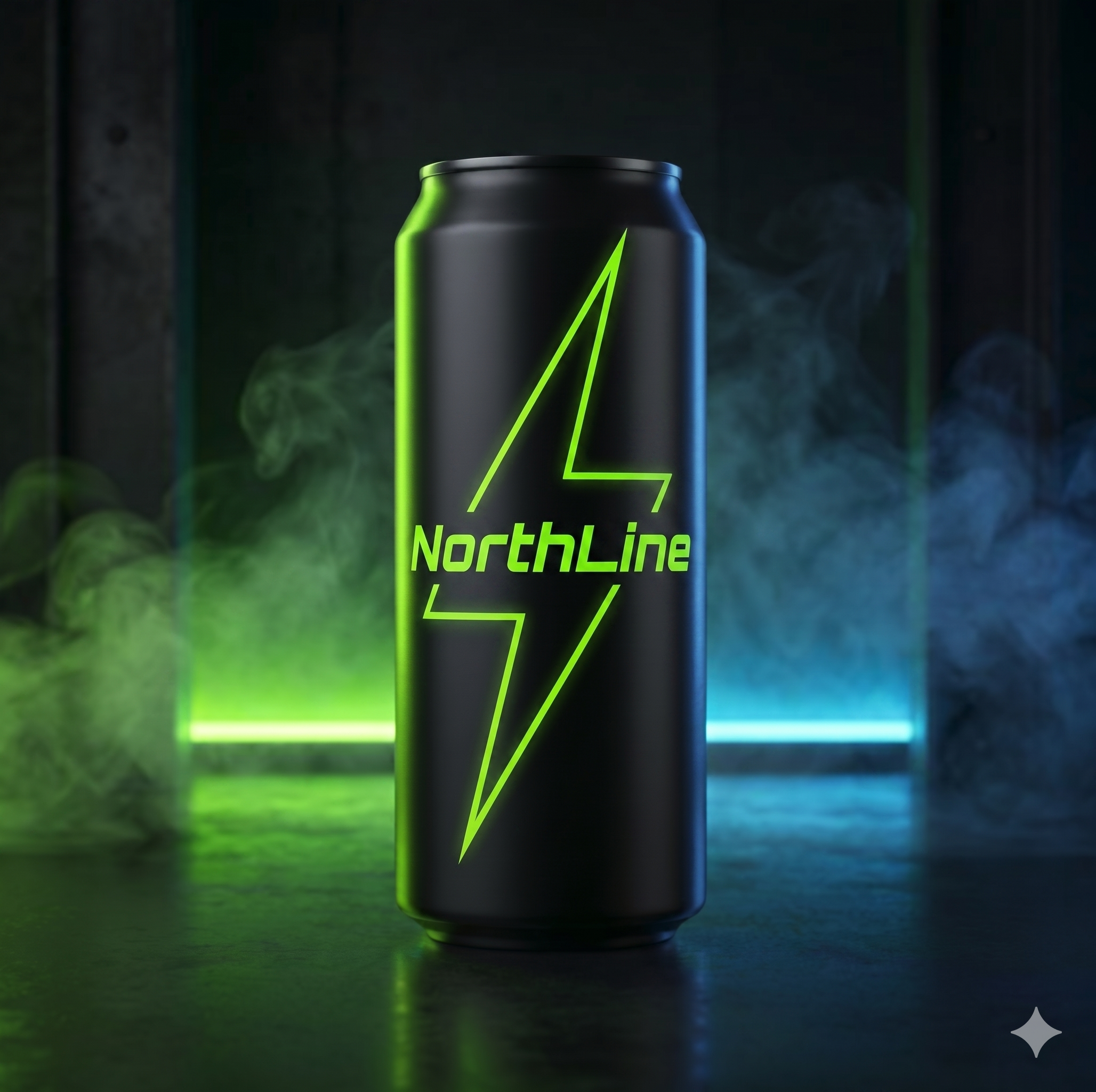
Walk through any aid station at an ultramarathon and you'll see both formats: athletes reaching for electrolyte drink bottles and others popping salt capsules from a zip-lock bag. Both strategies aim to replace the sodium and other minerals lost in sweat, but they work differently, behave differently in the GI tract, and suit different race formats and body types. Choosing the wrong approach — or applying it incorrectly — can cost you performance, and in extreme cases, your health.
The central issue is one of absorption kinetics, concentration, and logistics. Liquid electrolyte solutions deliver sodium and other minerals in a format the body can begin absorbing within minutes of ingestion, while salt tablets offer concentrated portability at the cost of a slower, more variable absorption curve. Neither is universally superior — but understanding the science behind each gives you the tools to make an evidence-based decision and, where appropriate, combine both strategies effectively.
Absorption Kinetics: Why Liquids Have an Edge
Electrolyte drinks deliver sodium in a dissolved, isotonic or hypotonic solution that passes rapidly through the stomach and is absorbed across the small intestine via sodium-glucose cotransport (the SGLT1 pathway) and passive osmotic diffusion. Well-formulated drinks containing 300-500mg of sodium per 500ml alongside 20-30g of carbohydrate can begin measurably elevating plasma sodium levels within 15-20 minutes of ingestion.
Salt tablets, by contrast, require dissolution in the stomach before absorption can begin. A 200-250mg sodium capsule taken with 250ml of water typically achieves peak plasma absorption at 45-60 minutes post-ingestion — roughly twice the lag time of a sodium-containing drink. In practical terms, this means drinks are significantly faster-acting and better suited to preventing sodium deficits in real time during exercise, while tablets are more useful as a maintenance or supplemental strategy rather than a rapid correction tool.
Sodium Concentration: Getting the Numbers Right
Commercial electrolyte drinks typically contain between 300-700mg of sodium per litre (equivalent to 150-350mg per 500ml serving). NorthLine performance drinks are formulated at 300mg per 500ml, placing them at the lower-to-moderate end of this range — appropriate for athletes with average sweat sodium concentrations (around 900mg/L) who are drinking at recommended rates of 500-750ml per hour.
Salt capsules typically deliver 200-250mg of sodium per capsule, with some high-sodium products reaching 400mg. Athletes who are high-sodium sweaters — losing 1,500-2,000mg of sodium per litre of sweat — often find that a standard electrolyte drink alone cannot replace losses fast enough at normal drinking rates. This is where tablets become genuinely valuable: a single 250mg capsule taken each hour alongside an electrolyte drink can close the gap for heavy sweaters without requiring athletes to dramatically increase fluid intake.
GI Tolerance Differences
One of the most significant practical differences between formats is GI tolerance. Electrolyte drinks with carbohydrate (mixed drinks combining hydration and fuel) are well-tolerated by most athletes when osmolality is in the hypotonic-to-isotonic range (200-290 mOsm/kg). Hypertonic drinks — highly concentrated solutions — slow gastric emptying and can cause bloating, nausea, and diarrhoea, particularly in the later stages of long events when splanchnic blood flow is already reduced.
Salt tablets taken without adequate accompanying water present a more serious risk: the concentrated salt bolus can create a hypertonic environment in the stomach, drawing fluid from surrounding tissues and paradoxically exacerbating dehydration until absorption catches up. The standard recommendation is to take any salt capsule with at least 250-300ml of water. Athletes with sensitive GI systems often find electrolyte drinks more comfortable than tablets during high-intensity efforts, whereas tablets may be better tolerated than drinks during lower-intensity ultra pacing when gastric motility is less compromised.
When to Use Each Strategy
The decision tree is clearer than many athletes expect:
- Electrolyte drinks (primary): Best for events up to 6 hours, athletes with moderate sweat rates, situations where consistent real-time sodium delivery matters more than portability, and early-race phases of any distance event where absorption speed is most critical.
- Salt tablets (supplemental or primary): Best for ultra-distance events (12+ hours) where carrying sufficient liquid volume is impractical, for high-sodium sweaters needing intake beyond what drinks alone provide, and for late-race supplementation when GI fatigue makes additional fluid intake counterproductive.
- Combined strategy: Many experienced ultramarathon athletes use electrolyte drinks between aid stations and add one to two salt capsules per hour during the middle and later race stages when sweat loss accumulates and carry capacity limits drink volume. This hybrid approach is particularly effective for 100-mile events and beyond.
Hyponatremia Prevention: What the Research Shows
Hyponatremia — serum sodium below 135 mmol/L — affects an estimated 13-15% of ultra-distance finishers in hot conditions, and in severe cases it is fatal. The primary driver is over-drinking hypotonic fluids (plain water or very low-sodium drinks) without adequate sodium replacement, not inadequate sodium intake alone. A landmark 2005 study of Boston Marathon finishers published in the New England Journal of Medicine found that athletes who consumed more than 3 litres of fluid per hour and used no electrolyte supplementation had an 18% incidence of hyponatremia.
Both electrolyte drinks and salt tablets reduce hyponatremia risk when used correctly. The key variable is matching sodium intake to sodium losses — which requires knowing your individual sweat sodium concentration. Athletes who are high-sodium sweaters (identifiable by white salt crust on clothing) need higher total sodium replacement than average, and neither a standard electrolyte drink nor a single salt tablet per hour will be sufficient without a personalised strategy.
Individualizing Your Approach
Sweat sodium concentration varies up to fivefold between individuals, ranging from approximately 400mg/L in low-sodium sweaters to over 2,000mg/L in high-sodium sweaters. Before committing to a fixed strategy, consider a sweat test (available through sports dietitian services or some laboratories) or use the salt-crust method as a rough proxy. Athletes with normal sweat sodium concentrations will generally manage well on electrolyte drinks alone for events up to 10 hours. High-sodium sweaters competing in events longer than 6 hours almost always benefit from supplementing drinks with salt tablets.
Temperature and humidity compound the calculation: in conditions above 28 degrees C with humidity over 70%, even moderate-sodium sweaters may need supplemental tablets to keep pace with losses. Practice your strategy in training, particularly in conditions that mimic your target race environment, before race day. For a comprehensive foundation on electrolyte science, read our complete guide to electrolytes for athletes and our in-depth article on identifying your sweat sodium type and fixing your electrolyte strategy. To calculate your personal sweat rate and sodium losses in real time, use the Sweat Rate Calculator — the most accurate starting point for building your individualised hydration and electrolyte plan.